Topic guide
Pool Materials and Hardware
Updated
Material guides compare coping, finishes, and metal hardware in wet, chlorinated, and high-UV conditions.
Swipe or scroll sideways to read all table columns.
| Material type | Property to verify | Document to keep |
|---|---|---|
| Coping / paving | Wet-use suitability, sun exposure, drainage | Product use declaration and installation detail |
| Interior finish | Application and start-up conditions | Selected finish instructions |
| Metal hardware | Alloy/grade, finish, exposure and isolation | Part specification and compatibility detail |
Start with the equipment BOM and cover interface checklist; these are existing tools, not material performance rankings.
Record material properties for the actual wet, sun-exposed installation.
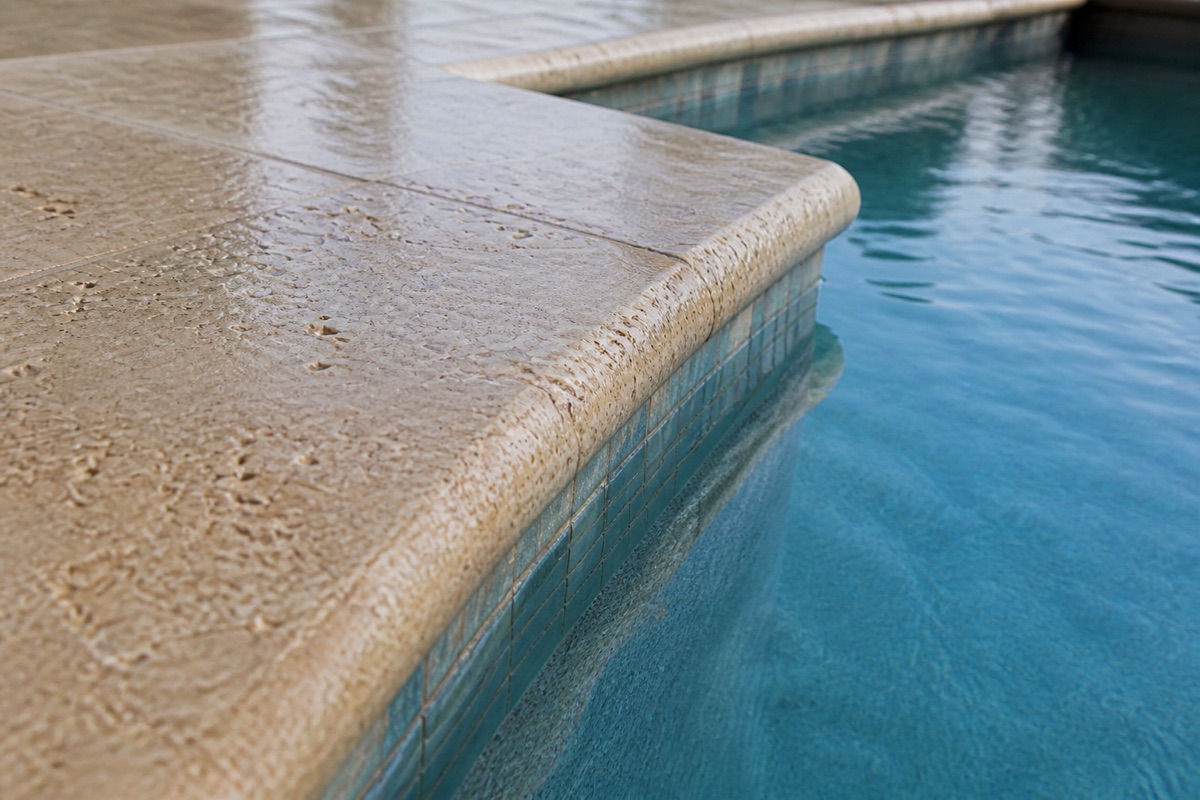
Coping and decking: the edge does structural work
Confirm the coping’s structural, drainage and pool-edge details. On covered pools it has to match the cover track profile before the stone is ordered, a point covered in the cover planning guide. Verify heat, wet-use suitability and maintenance for the selected surface. A composite-deck manufacturer’s public heat precautions warn that even heat-mitigating decking gets hot in direct sun. Pale color alone does not establish safe barefoot contact; check the actual surface in site conditions. A tile manufacturer’s slip-test guidance says controlled friction measurements do not predict whether a slip will occur; request wet-use suitability and maintenance instructions, not a “slip-proof” promise. That is part of the climate case in pool design for hot climates.
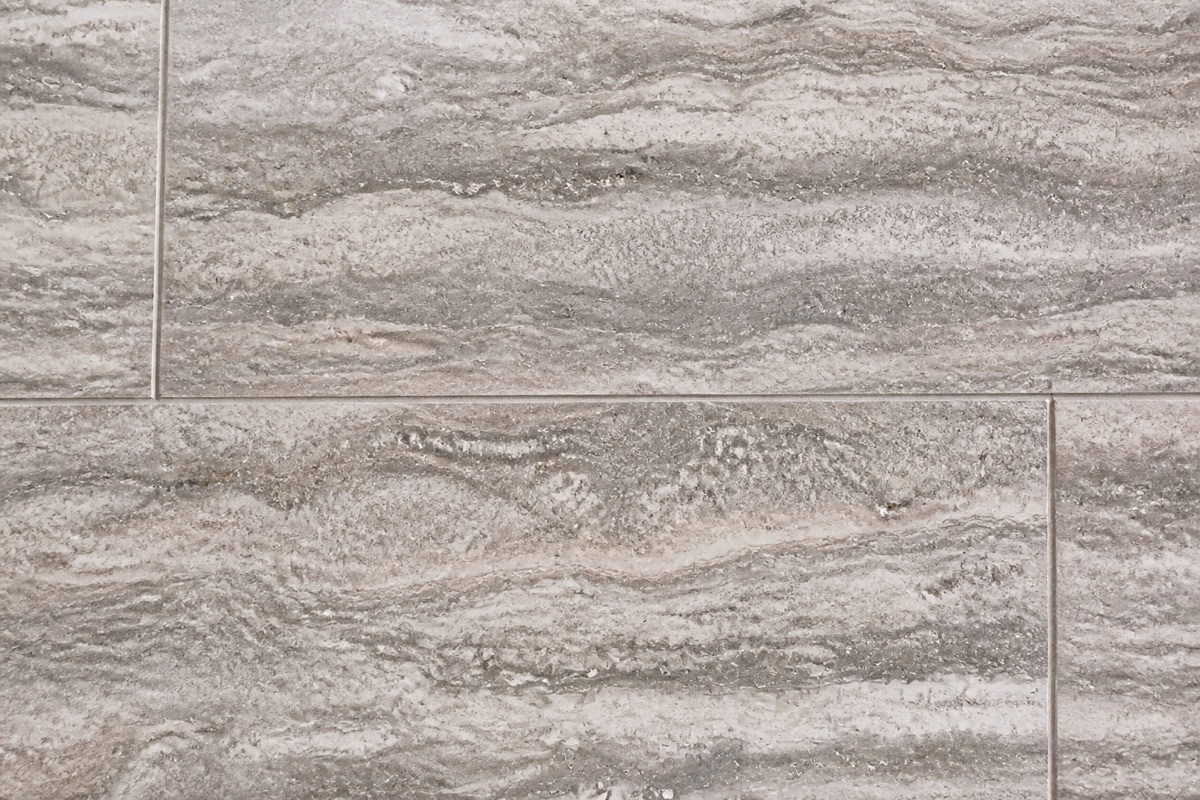
Interior finishes
For plaster, aggregate or tile, use the selected system’s documentation. Confirm application and start-up conditions from the selected finish maker before the finish stage. Do not infer performance or final water color from a photograph. For pebble and quartz finishes, the PebbleTec vs quartz finish comparison sets named products’ texture, maker life estimates and warranty terms side by side.
Metals: where grade actually matters
Rails, ladders, anchors, fasteners, cover hardware, and light trims all meet water, chlorides, and sun. A stainless producer’s public corrosion guide explains that resistance depends on alloy and environment; chlorides, temperature and crevices affect localized attack. Confirm suitability per part rather than ranking unspecified grades. Attach a separate materials schedule to the equipment BOM: component, alloy/material grade, surface finish, isolation detail, source/revision and verification date. The BOM itself does not provide those material fields. Do not let “stainless” pass as a specification by itself.
Materials and the rest of the system
Coordinate materials with the equipment guide and construction hub. Confirm the coping/track interface and the finish’s operating instructions alongside the material schedule.
Method and sources
Request current documents for the selected materials. The source list names each document and the limit of what it supports. Reviewed and revised October 8, 2026. This is public-document synthesis and planning guidance, not an installation design or our testing.
Project tool
Authority resource
Pool Equipment BOM Template
An HTML equipment schedule template for a new pool project, covering pumps, filters, heat, controls, and pad layout notes you can copy or print.
No guides are filed here yet. Use the project tool and related hubs on this page.
Sources
- Trex heat-resistant decking — Trex
- DCOF AcuTest slip-resistance testing — Daltile
- What makes stainless steel corrosion resistant? — Outokumpu