Topic guide
Pool Renovation and Rebuild Decisions
Updated
Renovation guides cover remodel-versus-rebuild decisions and the coordination required when adding equipment or a cover to an existing pool.
Swipe or scroll sideways to read all table columns.
| Assessment path | Condition to establish | Next step |
|---|---|---|
| Retain / refurbish | Existing structure and services verified suitable | Define finish scope |
| Further inspection | Cause, movement, leaks or records unresolved | Obtain engineering and test records |
| Rebuild evaluation | Assessed structure or proposed design incompatible | Compare engineered alternatives |
Begin with existing-pool cover feasibility and equipment-pad review. These guides support assessment; this table does not diagnose a pool.
Decide what can remain only after checking the existing shell, services and proposed changes. This hub routes the assessment to the existing cover and equipment guides.
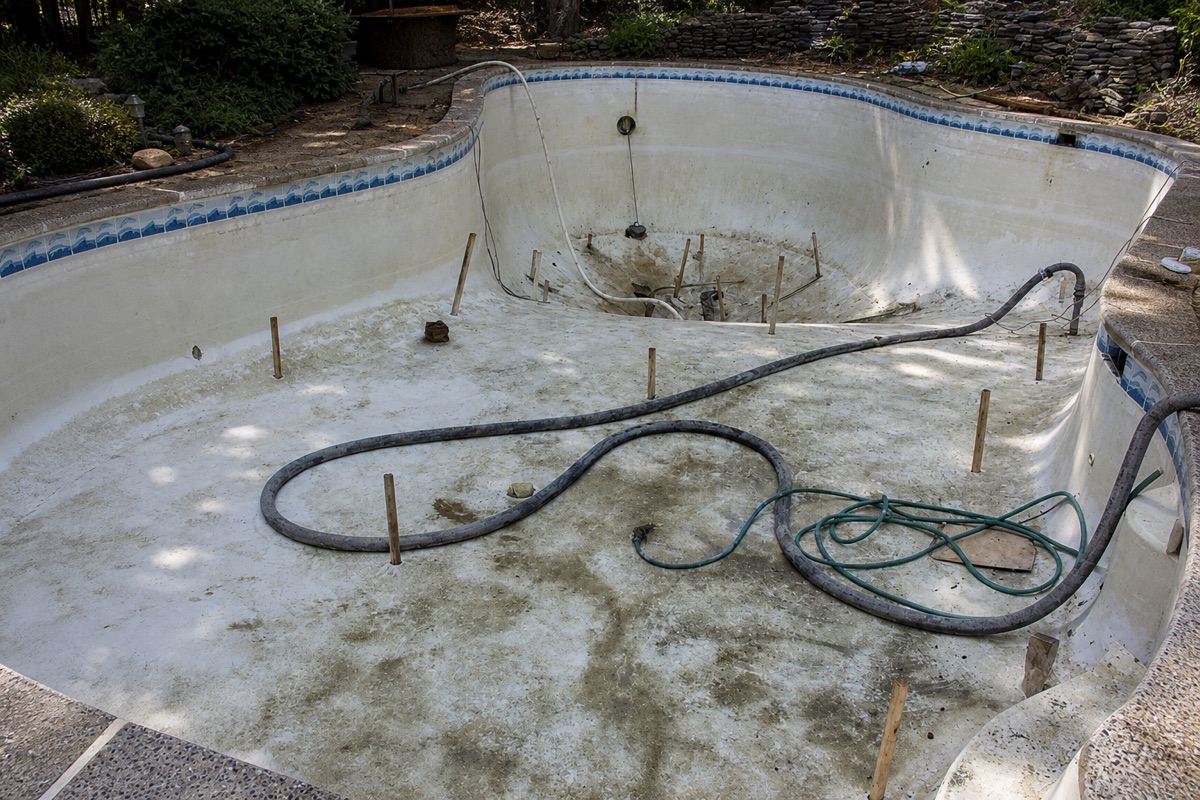
Remodel or rebuild: what actually decides it
Separate finish work from unresolved structural and service conditions. These questions organize an assessment rather than determine repair or rebuilding:
- Is the shell sound? Have an engineer examine the cause, dated crack/displacement records, leakage and applicable design. Static versus moving alone is not a repair/rebuild verdict.
- Does the plumbing pass a pressure test? Use the pipe maker’s and project professional’s test procedure; define any repair access before comparing scope.
- Does the vessel fit the goal? Ask whether the proposed spa, ledge or cover can fit the assessed shell and surrounding space.
The trench-once principle
If a remodel opens the deck, coordinate any proposed equipment, electrical, fill and cover routes. Use the equipment guide and pad layout to recheck existing elevations, services, bonding, drainage and actual model clearances; new-build assumptions do not transfer unchanged.
Adding a cover during renovation
Cover feasibility depends on parallel deck tracks outside the full water envelope, adequate support, housing and unobstructed travel. A manufacturer’s public retrofit documents describe surface-mounted tracks with above-deck housing or a recessed mechanism where construction permits it. Those can avoid changing the water outline if the surrounding deck, drainage and services fit; freeform shape alone does not rule them out. Start with the dedicated retrofit guide, adding an automatic cover to an existing pool, work through automatic pool cover planning before assuming a track can be added, and use the cover coordination checklist to test the existing coping, drainage, and power situation against what the system needs.
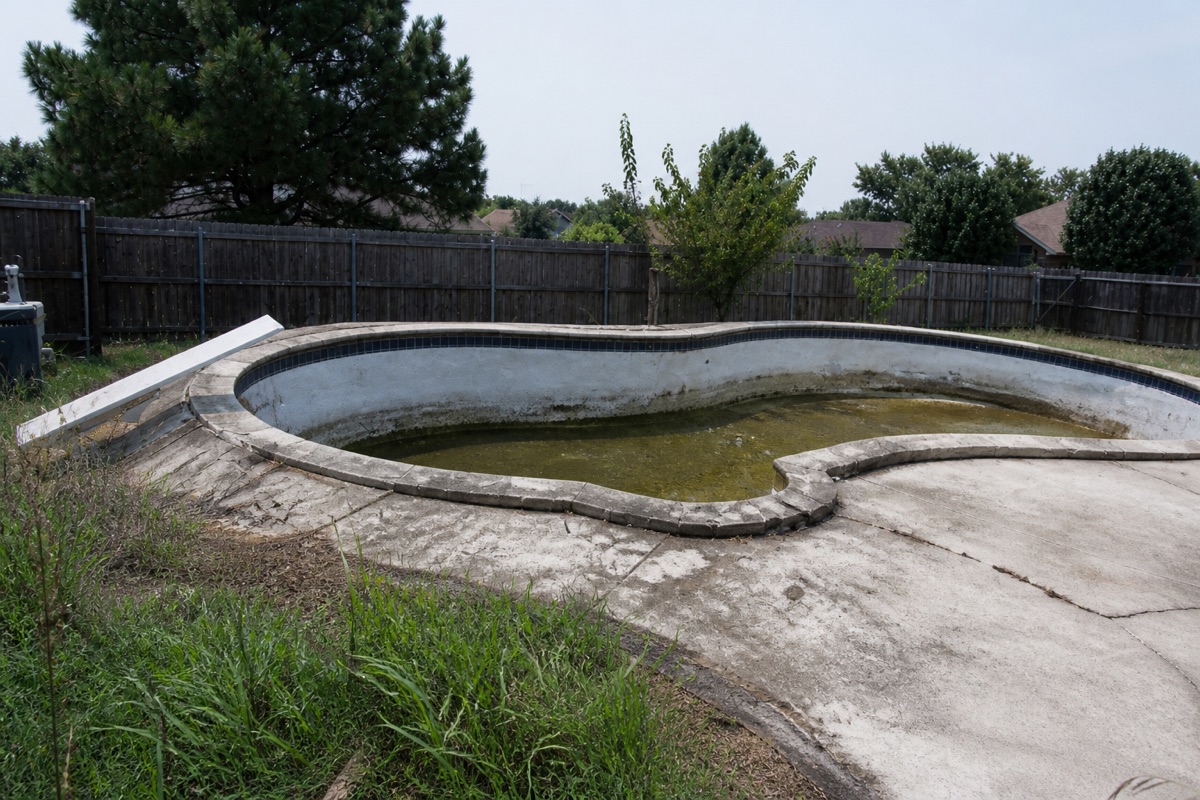
Code does not grandfather forever
Ask the local authority which permit and code triggers apply to the proposed scope. Adapt the construction sequence to assessed existing conditions. The new-build project checklist and cover checklist are prompts for renovation; add existing-condition records and project-specific demolition/inspection holds.
Method and sources
The source list names each document, the section used, and where it applies. Reviewed and revised October 8, 2026. This is public-document synthesis and planning guidance, not an installation design or our testing.
Project tool
Authority resource
Automatic Pool Cover Coordination Checklist
A new-construction coordination checklist for automatic pool covers, covering measurement, track type, vault, drainage, power, coping, and equipment location.
No guides are filed here yet. Use the project tool and related hubs on this page.
Sources
- Covers for Existing Pools — Cover-Pools
- Track systems detail — Cover-Pools
- Concrete Repair Bulletin, January/February 2025 — International Concrete Repair Institute