resources
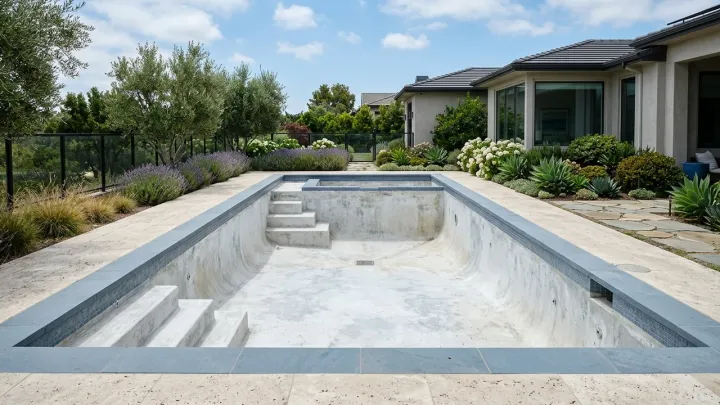
Acid Wash Pool: Plaster Stains vs Resurfacing
Learn what a pool acid wash does to cementitious plaster, how stain washing differs from aggregate etching, and when hollow or leached paste needs resurfacing.
Author profile
Technical planning resource
Pool planning, hydraulic layout, and construction specifications grounded in building codes and manufacturer engineering manuals.
Published work
Learn what a pool acid wash does to cementitious plaster, how stain washing differs from aggregate etching, and when hollow or leached paste needs resurfacing.
Compare pool chiller cooling BTU ratings, water surface area, evaporative pool cooler gallon specs, nighttime schedules, and bypass plumbing before ordering.
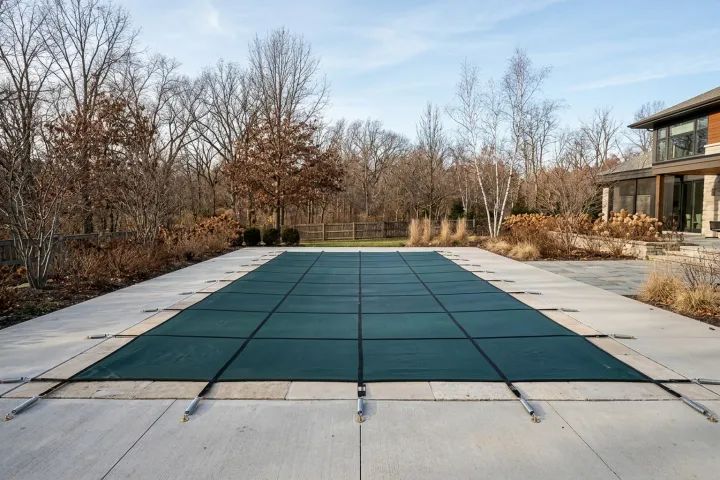
Compare mesh, high-shade mesh, and solid winter pool cover fabrics with concrete, paver, wood, composite, and raised-wall anchor requirements before ordering.
Compare saltwater pool vs chlorine through metal hardware, heater materials, interior finishes and stone coping, with a component checklist for your pool.
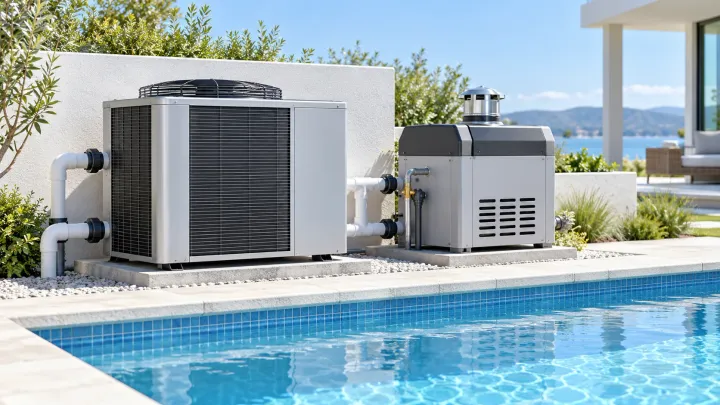
Compare pool heat pump cold-weather ratings with gas pool heater output, then prepare your heating schedule, winter operating checks, and sizing inputs.
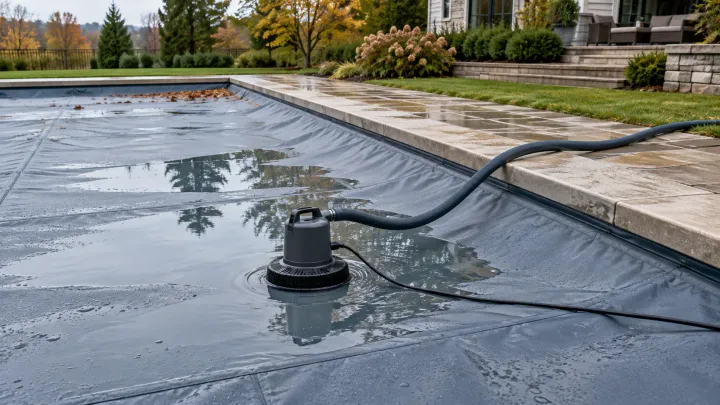
Choose a pool cover pump by its start depth, flow at working head, discharge hose and cleanable debris screen. Includes a model example and selection checklist.
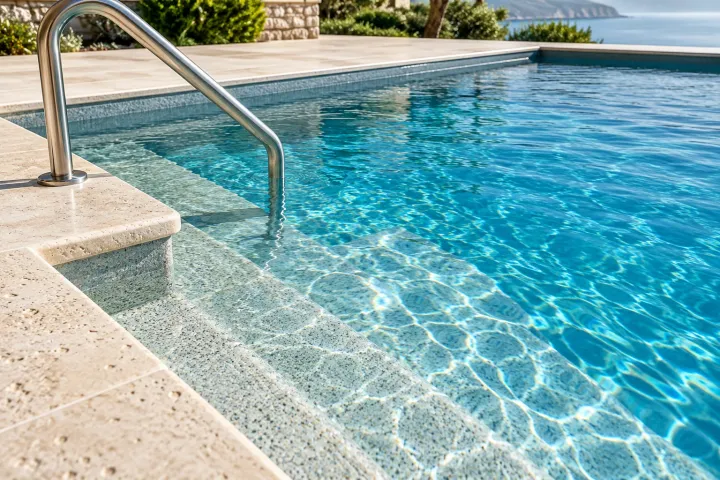
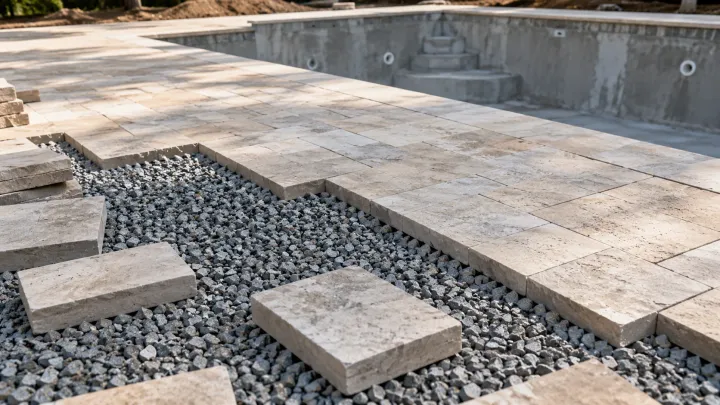
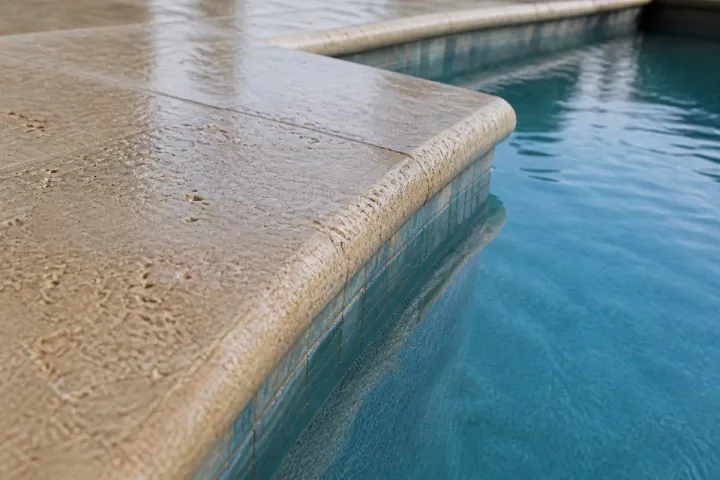
Compare travertine, 20 mm porcelain, and open-graded concrete paver bases using DCOF class, deck slope, and stone gradation.
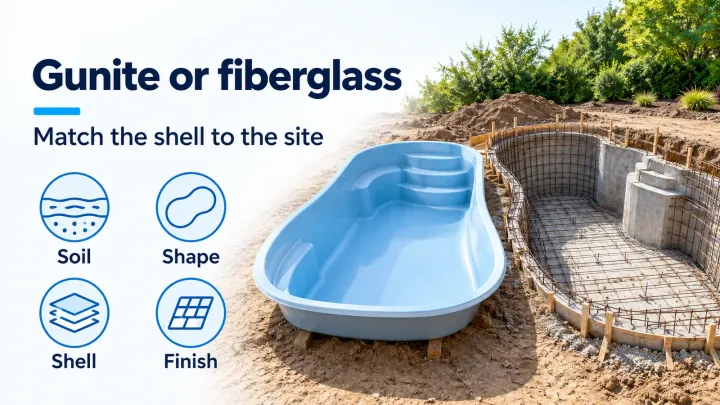
Compare a site-formed concrete shell with a factory fiberglass vessel by soil movement, mold limits, support requirements and interior renewal.
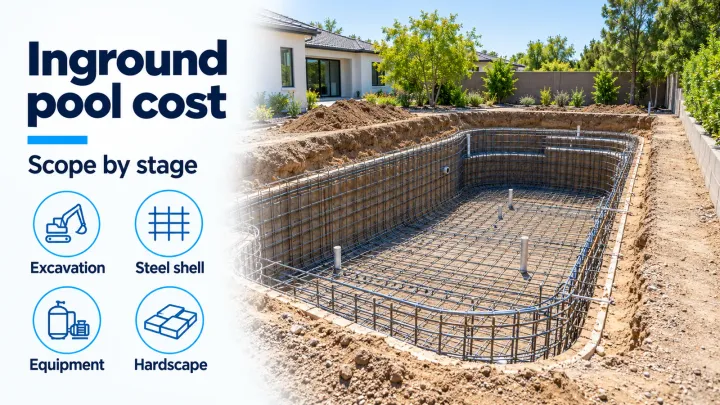
Compare the physical drivers of excavation, steel and shell, equipment, and hardscape costs, with the scope records to settle before digging.
Identify the actual pool permit authority and track issued municipal permits, HOA architectural conditions, and 811 utility-locate responses on one register.
Plan pool retaining wall design with a copyable site-input sheet for grades, pool and patio loads, drainage outlets, access and design responsibilities.
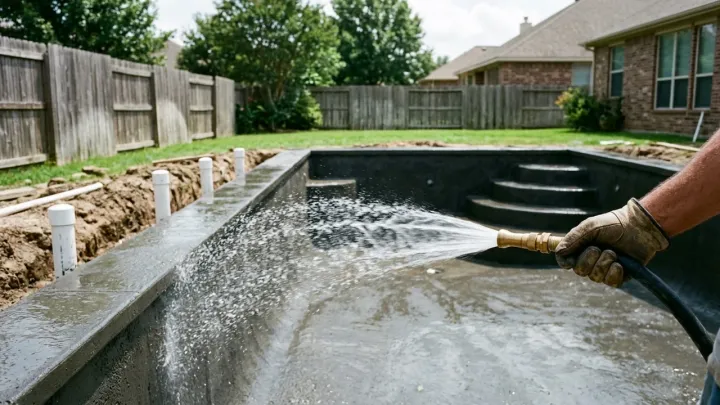
Keep new gunite continuously moist for at least 7 days. ACI 308.1-98 uses that default above 10 °C, or 70 percent of specified strength.
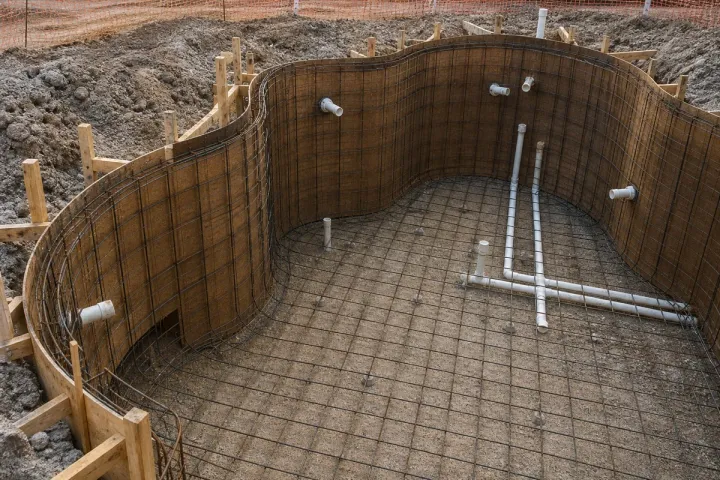
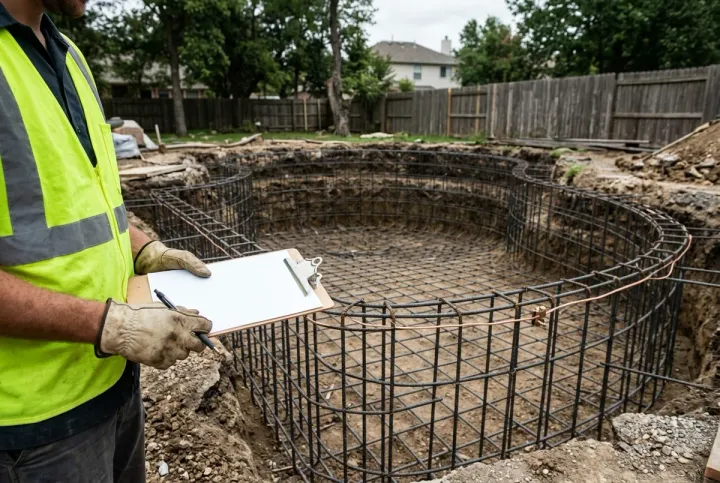
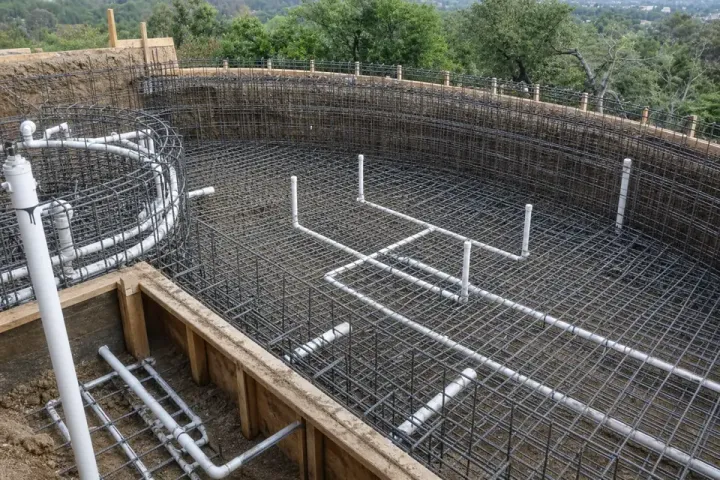
Compare pool rebar spacing under ACI 350 (1 in. min to 12 in. max), #3 vs #4 bar specs, concrete cover, lap splices, and pre-shotcrete drawing checks.
A pool equipotential bonding grid equalizes voltage within 900 mm (3 ft) of the pool wall. Compare NEC 680.26 rules, grounding vs GFCI, and inspection holds.
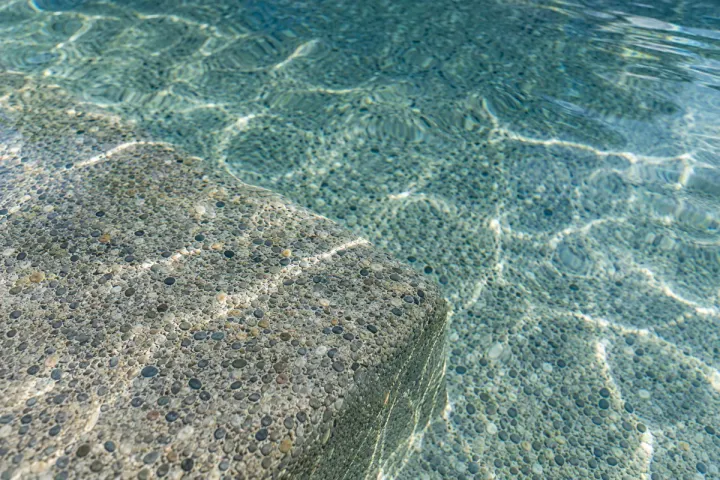
Compare PebbleTec pebble and Diamond Brite quartz pool finishes by texture, maker lifespan claims, exact warranty terms, mottling and owner records.
Review concrete-pool waterline tile and coping: membrane extent, submerged-use approvals, Basecrete and HYDRO BAN documents, joints and owner records.
Check water-test scope, PVC cement cure, pressure records and trench support before gunite conceals pool plumbing. Use your project's acceptance requirements.
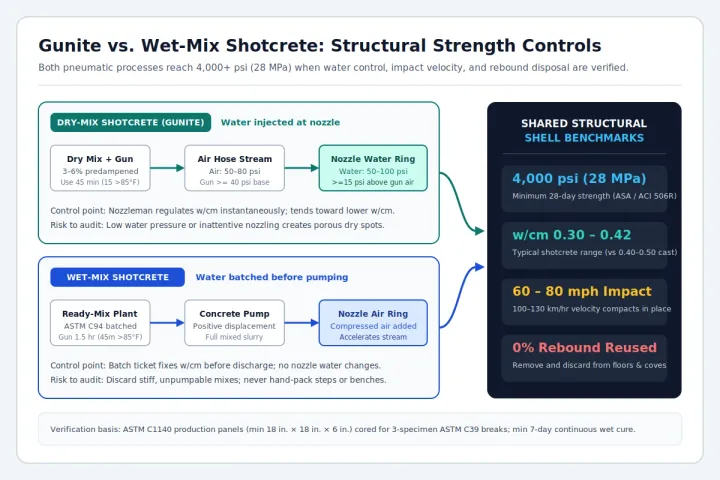
Compare gunite and wet-mix shotcrete pool strength: 4,000 psi (28 MPa) 28-day specs, w/cm 0.30-0.42 control, ASTM C1140 core testing, and rebound disposal.
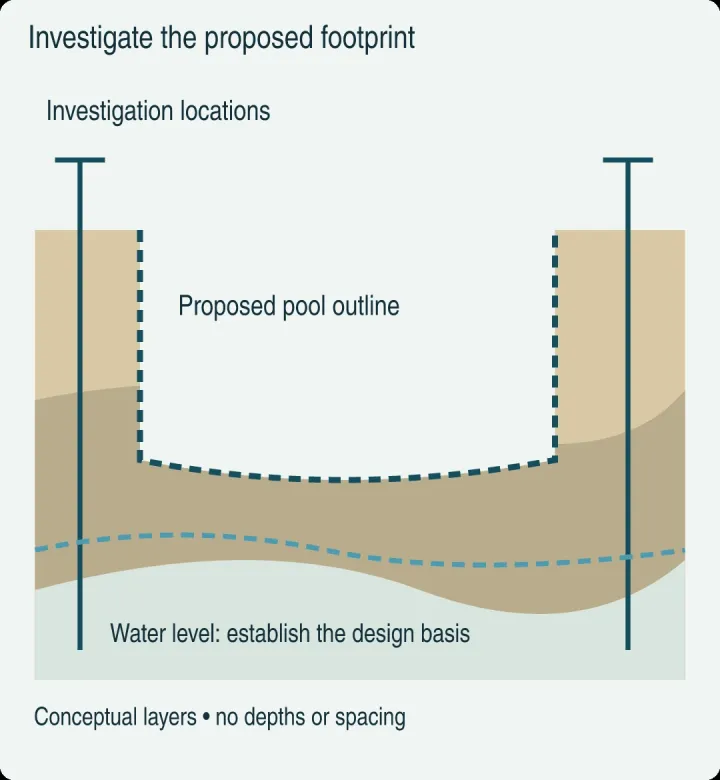
Unexpected ground can cause costly delays in a pool build. Confirm the soil investigation, groundwater assumptions and excavation protection before agreeing to dig.